FMF
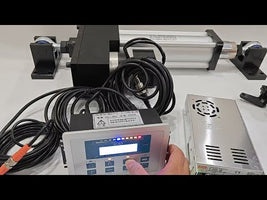
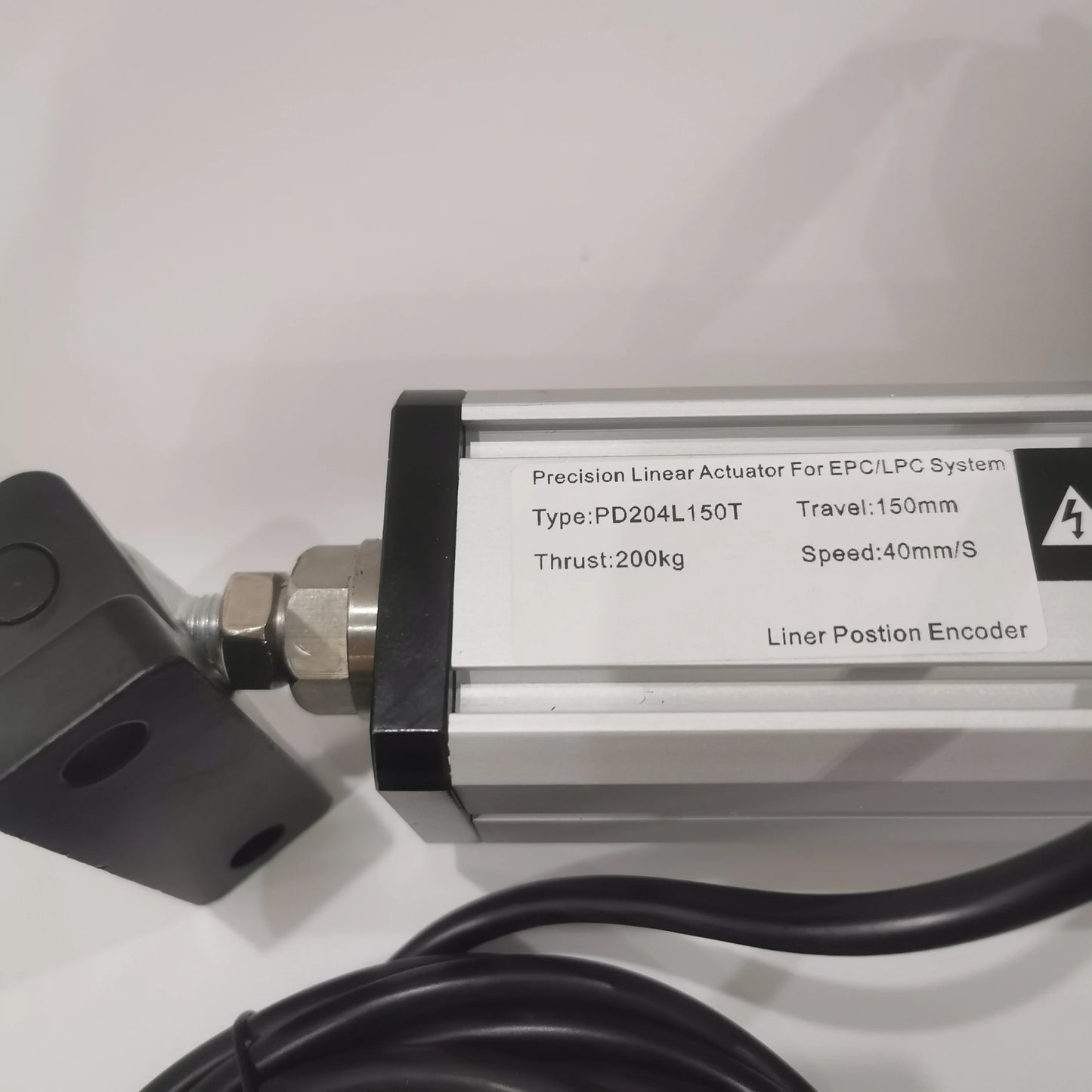
FMF EPC-A12 EPC/LPC Edge/Line Web Guide Controller Kit, Ultrasonic/Photoelectric Sensor, PD-204L150T 150mm Servo Actuator for Packaging/Printing Film
1 unit sold
Couldn't load pickup availability
Accepted secure payment methods







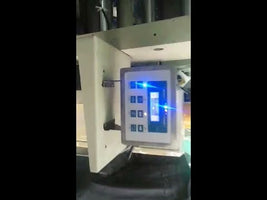
EPC-A12 web guide controller kit for industrial web, roll and strip position correction. This listing is a single-sensor kit: one EPC-A12 controller, one selected sensor type and one PD-204L150T servo actuator. The controller can be used in different correction setups, but the working mode depends on the matched sensor signal, the number of sensors, the actuator or guide-frame layout and the controller settings.
Kit Configuration and Mode Selection
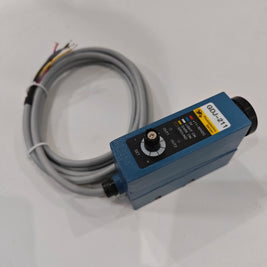
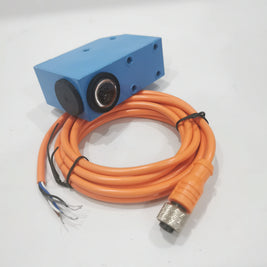
- This product kit: one sensor is included. Choose either the ultrasonic sensor type or the photoelectric sensor type.
- Single edge or single line correction: a single-sensor setup is normally used for single-side edge guiding or single-line guiding.
- Center or serpentine correction: this normally requires two same-type sensors, plus the matched actuator or center guide frame and two sensor brackets.
- Sensor type must be selected in the controller: the controller menu supports ultrasonic, photoelectric and optional HCCD detector selection. This listing offers ultrasonic or photoelectric variants only.
- Do not treat EPC/LPC/CPC/SPC as sensor-only functions: they are correction modes created by the controller, sensor input, mechanical installation and setup working together.
Correction Modes
| Mode | Meaning | What the buyer should confirm |
|---|---|---|
| EPC | Edge Position Control, edge guiding | Usually fits the single-sensor kit when the selected sensor can detect the material edge. |
| LPC | Line Position Control, line tracking | Requires a detectable line, mark or signal condition. The single-sensor package can be used only when the sensor and material setup are suitable. |
| CPC | Center Position Control, center guiding | Normally needs two same-type sensors and the matched guide-frame or actuator layout. Ask for a dual-sensor configuration. |
| SPC | Serpentine Position Control, offset or serpentine correction | Normally needs two same-type sensors, proper actuator layout and parameter setup. Ask before ordering a standard single-sensor kit. |
Sensor Type Selection
| Sensor option | Best-fit use | Setup notes |
|---|---|---|
| US-400S ultrasonic sensor | Edge guiding for transparent, opaque and very transparent non-breathable web materials such as plastic film, paper and foil. | Ultrasonic detection is not affected by material transparency and normally does not need material transparency calibration. Not suitable for breathable or porous materials such as cloth and non-woven fabric. |
| PS-400S photoelectric sensor | Edge guiding where the material edge can be detected reliably by photoelectric through-beam sensing. | Photoelectric detection is affected by material color, transparency and reflectivity, so it needs calibration for different materials. It is commonly used for opaque material edge guiding. |
| Optional HCCD sensor | Line, pattern, contrast edge or more complex target tracking. | Optional HCCD detection can track material edge, contrast edge, line and pattern targets. HCCD is not included in this listing unless quoted separately. |
Controller and Actuator Specifications
- Controller supply: DC24 V to DC45 V, standard 24 V.
- Sensor supply: DC12 V, 350 mA max.
- Analog input: 3 channels, 0-5 V, 20 K impedance, 12-bit ADC.
- Switch input: 3 NPN inputs.
- Correction response time: 0.5 ms.
- Supported detector type selection: ultrasonic, photoelectric and optional HCCD.
- PD-204L150 actuator family: 150 mm stroke, 2 kN class thrust, 40 mm/s max drive speed, +/-75 mm travel reference.
- Servo actuator design: brushless DC servo motor with precision ball screw and encoder-based position calculation.
What Is Included
- 1 x EPC-A12 web guide controller.
- 1 x selected sensor type: ultrasonic type or photoelectric type.
- 1 x PD-204L150T servo actuator.
- Sensor bracket, power supply and connection cables as supplied with the kit.
Important: this standard listing is not a dual-sensor CPC/SPC package. If your project needs center guiding, serpentine correction, HCCD tracking or a guide-frame version, confirm the required sensor quantity and mechanical layout before ordering.
Applications
- Film, paper, foil, label, printing and converting web guide applications.
- Bag making machines, slitting machines, cutters, rewinders and roll-to-roll equipment.
- Industrial edge guiding where material edge or line position must be corrected during web movement.
FAQ
Does one ultrasonic or photoelectric sensor realize EPC, LPC, CPC and SPC?
No. EPC, LPC, CPC and SPC are controller-based correction modes. A single sensor is normally used for single edge or single line guiding. CPC and SPC normally require two same-type sensors and the matched mechanical setup.
Which sensor should I choose for transparent film?
Choose ultrasonic when the web is non-breathable and transparency makes photoelectric detection difficult. Ultrasonic detection is not affected by transparency, but it is not recommended for breathable materials such as cloth or non-woven fabric.
When should I choose photoelectric?
Choose photoelectric when the material edge can be detected reliably by photoelectric through-beam sensing, especially for opaque or stable materials. Photoelectric sensing needs calibration because color, transparency and reflectivity can change the signal.
Can this kit do center guiding or serpentine correction?
The controller supports those correction setups, but the standard single-sensor listing is not the complete CPC or SPC package. For center guiding or serpentine correction, ask for the dual-sensor configuration and confirm the guide-frame or actuator layout.
What information should I send before ordering?
Send your material type, transparency or breathability, web width, required correction mode, machine speed, actuator stroke requirement and whether you need edge, line, center or serpentine correction.


You may also like
-
FMF EPC-A10 Servo Web Guide System with PD-803L200 Actuator and US-500 Ultrasonic Sensor
Regular price $1,152.21 USDRegular price$0.00 USDSale price $1,152.21 USD -
FMF EPC-A10 Servo Web Guide System with Color Mark Sensor
Regular price $692.59 USDRegular price$0.00 USDSale price $692.59 USD -
FMF GDJ-211 Color Mark Photoelectric Sensor GDJ211BG for Bag Making Machines
Regular price $51.28 USDRegular price$0.00 USDSale price $51.28 USD -
FMF KT5W-2N1116 Contrast Sensor Color Mark Sensor with Cable
Regular price $125.72 USDRegular price$0.00 USDSale price $125.72 USD